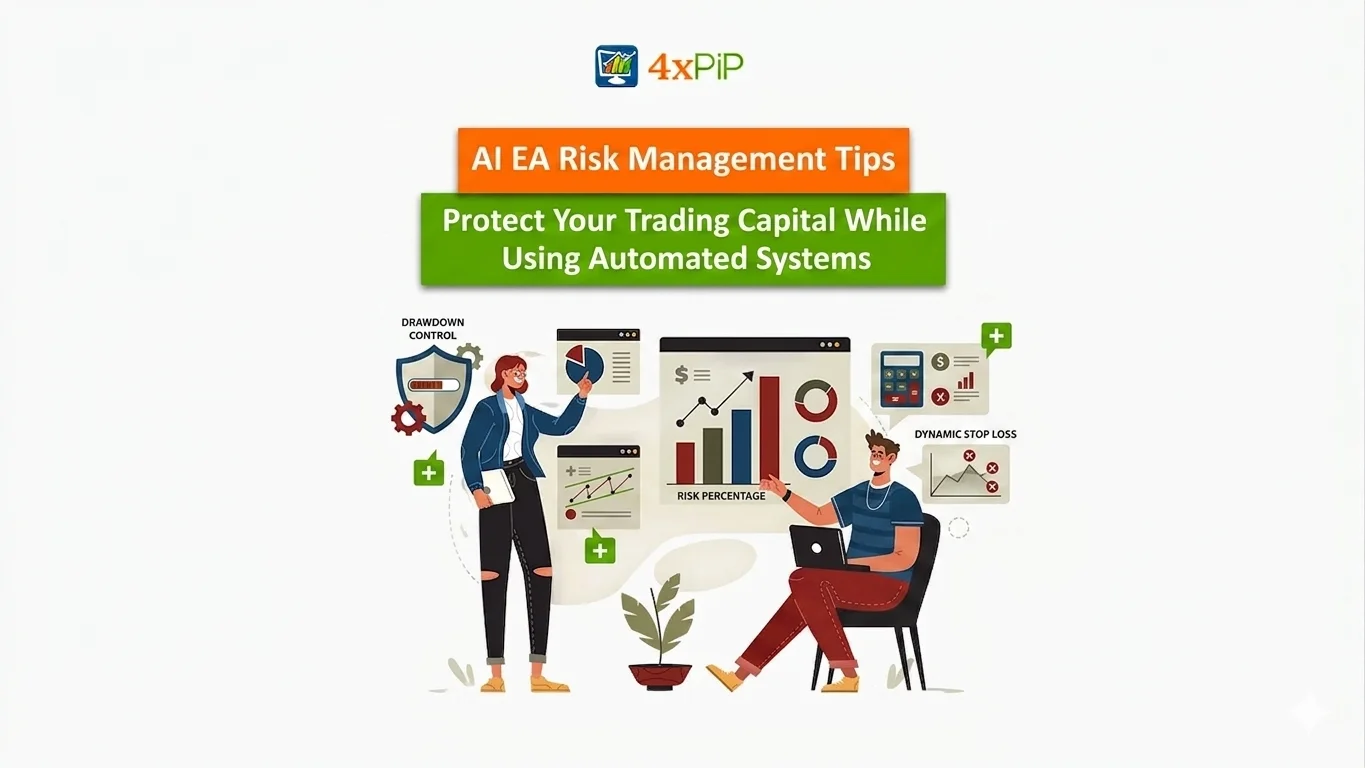
AI powered trading offers many advantages, success depends heavily on proper risk management. Even the most advanced AI EA can experience losing trades if risk controls are not properly configured. Many traders focus on finding profitable AI trading systems but overlook the importance of protecting their capital. Effective risk management helps traders survive market volatility, maintain account stability, and achieve long term trading success. By applying the right risk management techniques, traders can maximize the benefits of AI automation while minimizing unnecessary losses.
Traders can use 4xPip ( forexpips ) AI EA Development Services to build intelligent automated systems with advanced risk management features. This guide explores the most important AI EA risk management tips and explains how traders can create safer and more sustainable automated trading strategies.
Why Smart Traders Treat Risk Management as Their First Strategy
AI EAs can process large amounts of market data and execute trades faster than humans. However, automation does not eliminate risk. Financial markets remain unpredictable, and unexpected events can affect even the most sophisticated algorithms.
Without proper risk controls, an AI EA may:
- Open positions that are too large for the account size.
- Continue trading during highly volatile conditions.
- Accumulate multiple losing trades.
- Increase drawdown beyond acceptable levels.
- Expose the trading account to unnecessary risk.
Strong risk management creates a protective framework that allows the AI system to operate efficiently while preserving trading capital. Successful traders understand that protecting capital is often more important than maximizing profits.
Start with Proper Position Sizing
One of the most important risk management principles is controlling position size. Many traders make the mistake of risking too much on a single trade, hoping to generate larger returns. Unfortunately, this approach can quickly lead to significant losses.
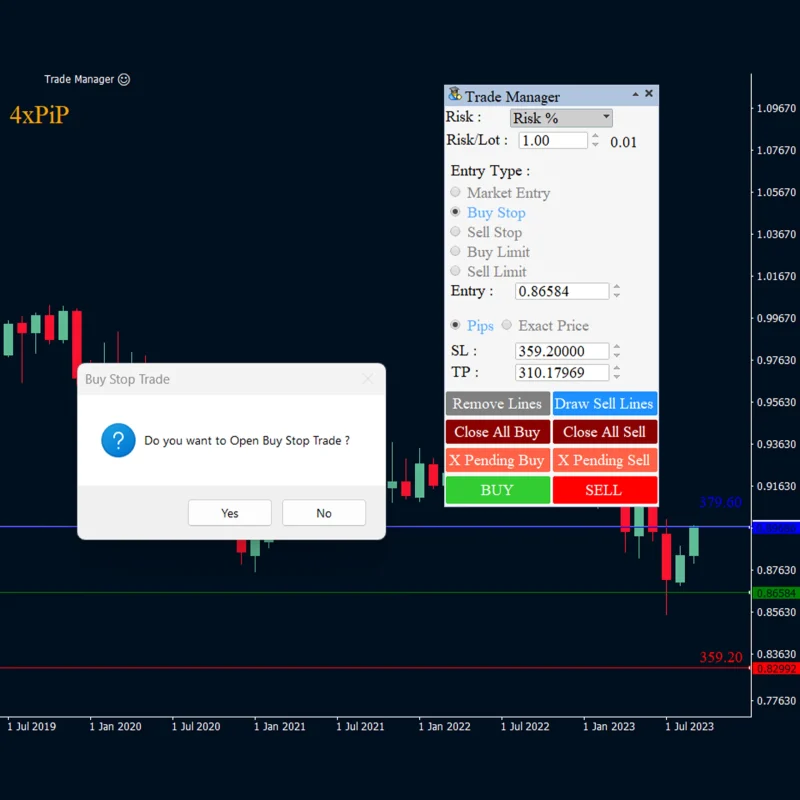
AI EAs should be programmed to calculate trade sizes based on account balance, risk tolerance, and market conditions. Rather than using fixed lot sizes, intelligent position sizing adjusts exposure automatically.
Common position sizing methods include:
- Percentage-based risk per trade.
- Fixed fractional position sizing.
- Volatility-adjusted lot sizing.
- Equity-based position management.
By limiting risk on individual trades, traders can withstand losing streaks without severely damaging their accounts.
Stop Loss Rules That Separate Professionals from Beginners
A stop loss is one of the most effective tools for controlling trading risk. It defines the maximum amount a trader is willing to lose on a particular position.
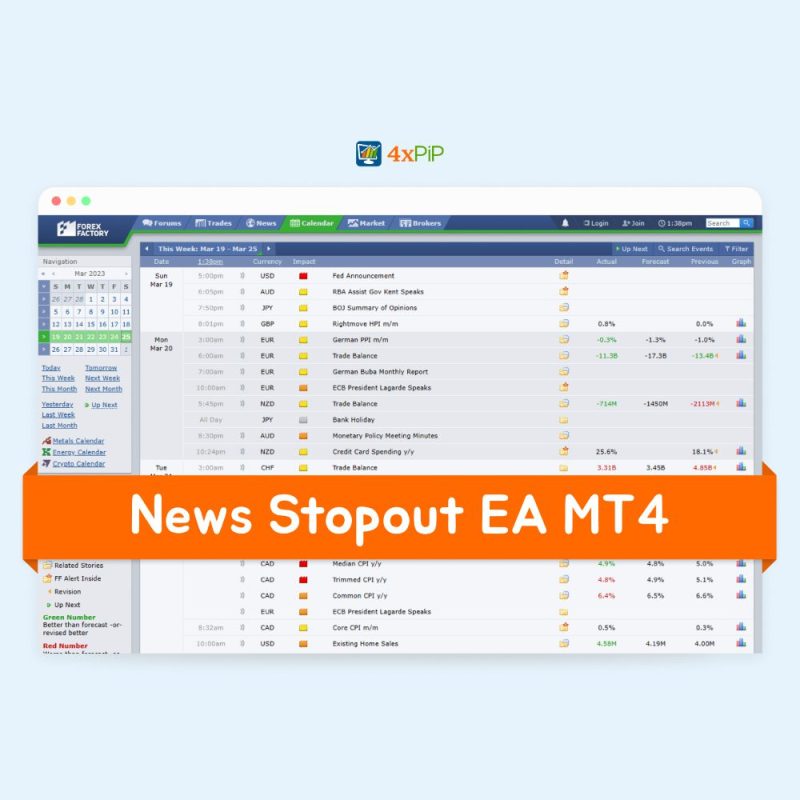
Some traders believe AI systems can predict market movements accurately enough to trade without stop losses. In reality, unexpected market events can occur at any time. News releases, economic announcements, and sudden volatility can move prices rapidly.
A properly programmed AI EA should include:
- Fixed stop loss levels.
- Dynamic stop losses based on volatility.
- Technical stop losses using support and resistance.
- Emergency stop loss protection.
Stop losses help ensure that a single trade cannot cause excessive damage to the trading account.
Controlling Drawdown Before It Controls Your Account
Drawdown refers to the decline in account value from its highest point. Every trading strategy experiences periods of losses, but excessive drawdowns can be difficult to recover from.
AI EAs should include account level risk controls that monitor overall performance and stop trading when losses exceed predefined limits.
Effective drawdown management features include:
- Daily loss limits.
- Weekly loss limits.
- Maximum account drawdown thresholds.
- Automatic trading suspension after consecutive losses.
These controls prevent an AI system from continuing to trade aggressively during unfavorable market conditions.
Why Overleveraging Is the Fastest Way to Blow an Account
Leverage can increase profits, but it also magnifies losses. Many traders fail not because their strategies are poor, but because they use excessive leverage.
AI EAs can execute trades rapidly, making leverage management even more important. An automated system using high leverage can create significant account exposure within a short period.
Risk conscious traders typically:
- Use conservative leverage levels.
- Limit exposure across multiple positions.
- Monitor margin requirements carefully.
- Reduce leverage during volatile market periods.
Responsible leverage management helps maintain long term account stability and reduces the risk of margin calls.
Adapting Risk Actively in Changing Market Conditions
Financial markets constantly change. A strategy that performs well in a trending market may struggle during ranging conditions. Similarly, periods of high volatility require different risk settings than stable markets.
Advanced AI EAs can adjust risk parameters automatically based on market conditions. This flexibility helps improve performance while controlling unnecessary exposure.
Adaptive risk management may include:
- Lower position sizes during high volatility.
- Reduced trade frequency during uncertain conditions.
- Dynamic stop loss adjustments.
- Volatility-based risk calculations.
The ability to adapt is one of the key advantages of AI powered trading systems.
Diversify Strategies and Trading Pairs
Relying on a single strategy or currency pair can increase risk. If market conditions become unfavorable for that particular setup, trading performance may suffer significantly.
Diversification helps distribute risk across multiple opportunities and reduces dependence on a single market condition.
Diversification approaches include:
- Trading multiple currency pairs.
- Combining trend-following and reversal strategies.
- Using different timeframes.
- Applying multiple AI models.
A diversified trading portfolio can help smooth overall performance and reduce periods of prolonged losses.
Why Monitoring Your AI EA Is Never Optional
Many traders assume that once an AI EA is activated, it can run indefinitely without supervision. While automation reduces manual workload, regular monitoring remains essential.
Market behavior evolves over time, and trading systems must be evaluated to ensure they continue performing as expected. Regular performance reviews help identify potential issues before they become major problems.
Important metrics to monitor include:
- Win rate.
- Average profit and loss.
- Maximum drawdown.
- Risk-to-reward ratio.
- Trade frequency.
By analyzing these metrics regularly, traders can make informed decisions about adjustments and optimizations.
Testing Risk Settings Like a Professional Trader Before Going Live
Before deploying an AI EA on a live account, traders should thoroughly test all risk management settings. Testing helps identify weaknesses and confirms that the system behaves as expected under different market conditions.
A comprehensive testing process should include:
- Historical backtesting.
- Forward testing.
- Demo account validation.
- Stress testing during volatile periods.
At 4xPip ( forexpips ), every AI EA can be developed and tested with customized risk management rules to ensure reliable performance before live deployment.
How 4xPip Helps Build Safer AI Trading Systems
Developing a profitable AI EA requires more than creating entry and exit signals. Risk management must be integrated into every aspect of the trading system.
4xPip ( forexpips ) AI EA Development Services help traders build intelligent automated solutions with features such as:
- Advanced money management systems.
- Dynamic stop loss and take profit controls.
- Drawdown protection mechanisms.
- Multi strategy integration.
- Volatility based risk management.
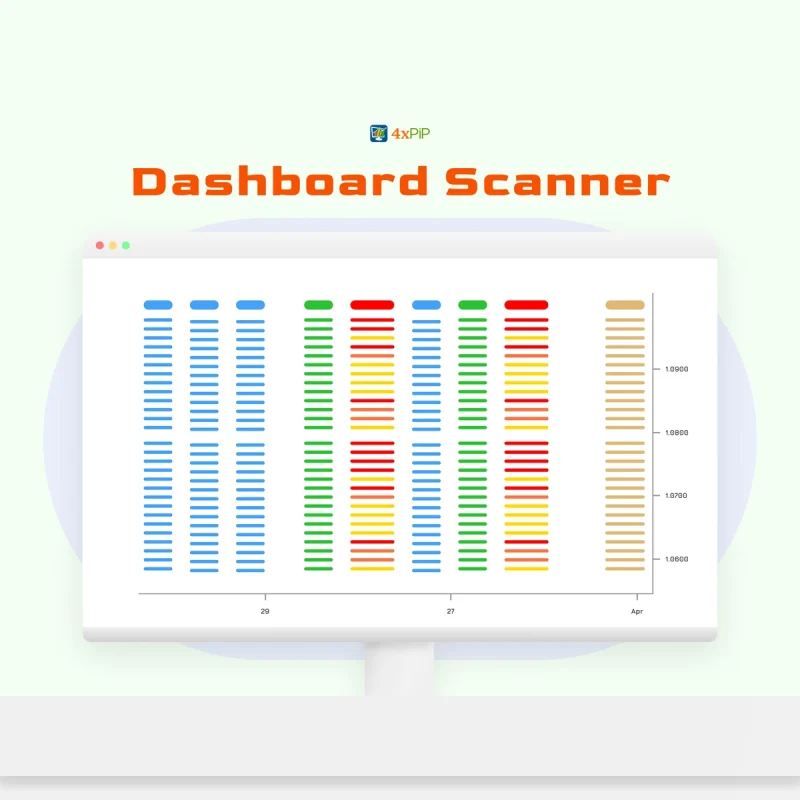
- Custom dashboards and monitoring tools.
The development team works closely with traders to transform trading ideas into secure, reliable, and fully automated AI trading systems for MT4 and MT5.
Summary
AI powered Expert Advisors offer powerful opportunities for traders seeking automation, efficiency, and data-driven decision making. However, long term success depends on effective risk management rather than simply generating trading signals. Proper position sizing, stop loss protection, leverage control, drawdown management, diversification, and continuous monitoring all play critical roles in protecting trading capital.
4xPip ( forexpips ) AI EA Development Services help traders create intelligent automated systems with built in risk management features designed for sustainable performance. By combining advanced AI technology with proven risk management principles, traders can automate their strategies confidently while maintaining control over their overall account risk.
4xPip Email Address: [email protected]
4xPip Telegram: https://t.me/pip_4x
4xPip WhatsApp: https://api.whatsapp.com/send/?phone=18382131588
FAQs
1. Why is risk management important when using an AI EA?
Risk management protects trading capital by limiting losses, controlling drawdown, and ensuring the AI system operates within predefined safety parameters.
2. What percentage of my account should I risk per trade?
Many professional traders risk between 1% and 2% of their account balance per trade, depending on their strategy and risk tolerance.
3. Should AI EAs always use stop losses?
Yes. Stop losses help protect against unexpected market movements and prevent individual trades from causing significant account damage.
4. What is the drawdown in AI trading?
Drawdown is the decline in account value from a previous peak. Managing drawdown is essential for preserving capital and maintaining long-term profitability.
5. Can AI EAs adjust risk automatically?
Advanced AI EAs can modify position sizes, stop losses, and trading frequency based on changing market conditions and volatility levels.
6. How does leverage affect AI trading risk?
Higher leverage increases both profit potential and loss exposure. Excessive leverage can significantly increase trading risk and account volatility.
7. Why should traders diversify AI trading strategies?
Diversification spreads risk across multiple markets, strategies, and timeframes, reducing dependence on a single trading approach.
8. How often should I monitor my AI EA?
Regular monitoring is recommended to review performance metrics, evaluate market conditions, and ensure the system continues operating as expected.
9. What testing should be done before using an AI EA live?
Traders should perform backtesting, forward testing, demo testing, and stress testing to validate both strategy performance and risk management settings.
10. Can 4xPip develop AI EAs with custom risk management features?
Yes. 4xPip can create AI-powered Expert Advisors with customized position sizing, drawdown protection, stop loss systems, money management rules, and advanced risk controls tailored to individual trading strategies.